
Get Utility Trenching in Reno, NV
Utility trenching services help Reno property owners install or repair underground utilities like water, gas, or electrical lines, solving project challenges efficiently.
Utility trenching services are essential for property owners in Reno, NV planning to install or upgrade underground infrastructure. Whether setting up new electrical lines, water pipes, or communication cables, proper trenching ensures that these systems are safely and efficiently embedded beneath the surface. Property owners often explore trenching options to support upcoming construction projects, improve existing utility access, or prepare for future expansions, making it a practical step in many development plans.
When considering utility trenching, it’s important to compare local contractors who specialize in this work. Experienced service providers understand the unique requirements of the Reno area and can help property owners evaluate different options to meet their specific needs. Continuing to explore your choices can lead to finding the right professional for your project, ensuring the work is completed effectively and in accordance with local standards.
- Utility trenching - needed when installing new underground electrical or communication lines in neighborhoods like Midtown or Southwest Reno.
- Utility trenching - required for laying water or sewer pipes during municipal infrastructure upgrades in areas such as Sparks or South Meadows.
- Utility trenching - necessary when connecting new commercial or residential properties to existing utility networks in the Truckee Meadows region.
- Utility trenching - performed for rerouting or repairing underground utilities following roadwork or construction projects in local developments.
- Utility trenching - used when upgrading or replacing aging utility lines in older parts of the city, including the University of Nevada area.

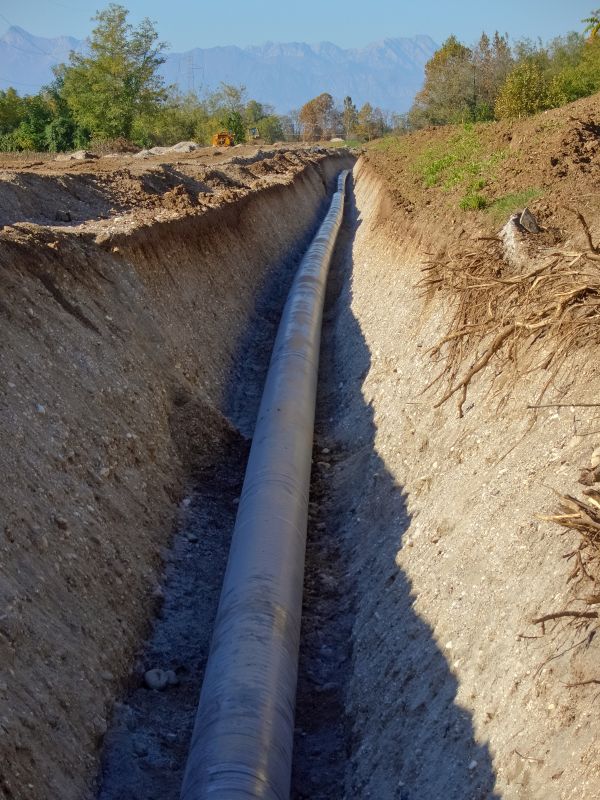
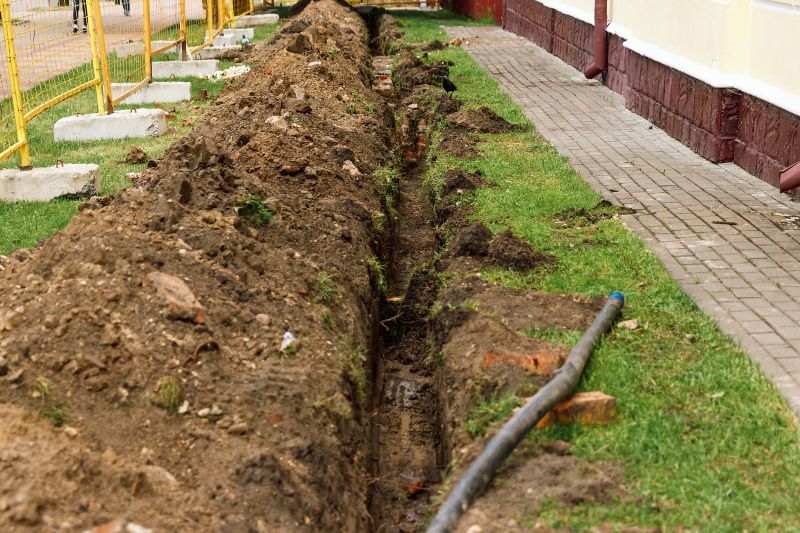
Utility trenching services involve digging narrow, deep channels in the ground to lay or repair underground utilities such as water lines, electrical cables, gas pipes, or communication cables. This process requires careful excavation to ensure that the trenches are the correct depth and width for the specific utility being installed or maintained. Skilled contractors use specialized equipment to minimize disruption and ensure that the trenches are excavated safely and efficiently, reducing the risk of damage to existing underground infrastructure.
These services help solve common problems related to the installation or repair of underground utilities. For property owners experiencing issues like frequent outages, leaks, or the need for new utility connections, trenching provides a practical solution. It is also essential when upgrading old or damaged underground lines, installing new systems for additions or renovations, or rerouting utilities around existing structures. Proper trenching ensures that utilities are safely embedded underground, helping prevent future problems such as leaks, outages, or accidental damage during landscaping or construction.
Utility trenching is often needed on residential, commercial, and industrial properties. Homeowners planning to install new sprinkler systems, outdoor lighting, or additional electrical outlets may require trenching to run lines underground. Property developers or contractors working on new construction projects also rely on trenching to lay essential utility lines before building begins. In neighborhoods or areas where underground utilities are being upgraded or expanded, local service providers can handle the trenching work to ensure the infrastructure is properly installed and protected from surface damage.
Understanding when to consider utility trenching can help prevent costly repairs and disruptions down the line. If a property owner notices issues like inconsistent utility service, the need for additional connections, or plans for renovations that involve underground work, contacting local contractors for trenching services is a practical step. These professionals can assess the site, determine the appropriate trenching method, and ensure that utility lines are installed or repaired correctly. This service is a vital part of maintaining reliable utility access and supporting property upgrades or expansions.
The overview below groups typical Utility Trenching projects into broad ranges so you can see how smaller, mid-sized, and larger jobs often compare in Reno, NV.
In many markets, a large share of routine jobs stays in the lower and middle ranges, while only a smaller percentage of projects moves into the highest bands when the work is more complex or site conditions are harder than average.
Smaller Repairs - Typical costs for minor utility trenching projects in the Reno area range from $250 to $600. Many routine jobs, such as replacing a short section of underground wiring, fall within this range. Fewer projects extend into higher cost tiers unless additional work or difficult access is involved.
Standard Installations - For standard utility trenching services, local contractors often charge between $1,000 and $3,000. This range covers common jobs like installing new water lines or electrical conduits for residential properties. Larger or more complex projects can push costs above this band.
Full Replacement or Large-Scale Projects - Larger projects, such as replacing extensive underground utility lines or trenching across multiple property sections, can range from $3,500 to $8,000 or more. Many of these projects are on the higher end, especially when dealing with challenging soil conditions or permits.
Complex or Difficult Access Jobs - Projects requiring special equipment or working in hard-to-reach areas may incur costs exceeding $8,000. While less common, these jobs often involve additional labor, equipment, or permitting fees that increase overall expenses.
Actual totals will depend on details like access to the work area, the scope of the project, and the materials selected, so use these as general starting points rather than exact figures.
Underground Utility Installation - Local contractors often handle the installation of underground utilities such as water, gas, and electrical lines, requiring trenching expertise similar to utility trenching services.
Drainage System Installation - Installing drainage pipes and systems involves trenching skills to ensure proper placement and alignment, making it a related project for utility trenching professionals.
Fiber Optic Cable Laying - Laying fiber optic cables underground requires precise trenching and planning, aligning with the skills used in utility trenching projects.
Stormwater Management Projects - Creating stormwater management systems involves trenching for pipes and channels, requiring similar planning and excavation techniques.
Roadway and Sidewalk Excavation - Excavating for new roadways or sidewalks often involves trenching work that shares tools and planning methods with utility trenching services.
Gas Line Replacement - Replacing or upgrading underground gas lines involves trenching and careful planning, making it comparable to utility trenching projects handled by local service providers.
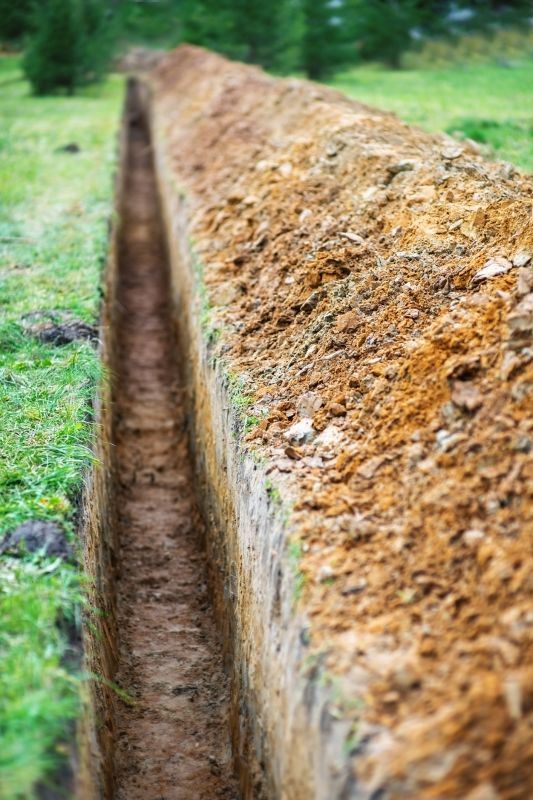
When choosing a contractor for utility trenching projects, it’s important to consider their experience with similar types of work. Homeowners should look for service providers who have a proven track record handling trenching jobs comparable in scope and complexity to the project at hand. Asking for examples of past projects or references can help gauge whether a contractor has the necessary background and expertise to complete the job effectively and efficiently. This focus on relevant experience helps ensure that the chosen professional understands the specific requirements of utility trenching in the Reno, NV area and can deliver results that meet expectations.
Clear, written expectations are essential for a smooth working relationship. Homeowners should seek service providers who can provide detailed descriptions of their proposed work, including scope, materials, and methods. Having this information in writing helps prevent misunderstandings and ensures everyone is aligned on project goals. It’s also beneficial to discuss and document any specific concerns or preferences upfront, creating a transparent framework for the project. Well-defined expectations contribute to a clearer process and can help avoid potential issues or surprises during the course of the work.
Reputation and communication are key factors when comparing local contractors for utility trenching. Homeowners are encouraged to ask for reputable references or reviews that reflect the contractor’s reliability and quality of work. Good communication is equally important; service providers should be responsive, clear in their explanations, and open to questions. These qualities foster trust and confidence, making it easier to navigate the project from start to finish. Remember, the site introduces homeowners to local options for utility trenching services, but it does not perform the work directly. Connecting with reputable, experienced, and communicative contractors can help ensure the project’s success.
Property owners in Reno, NV use Utility Trenching services for practical projects around their homes and businesses. This guide focuses on everyday jobs and straightforward project options.
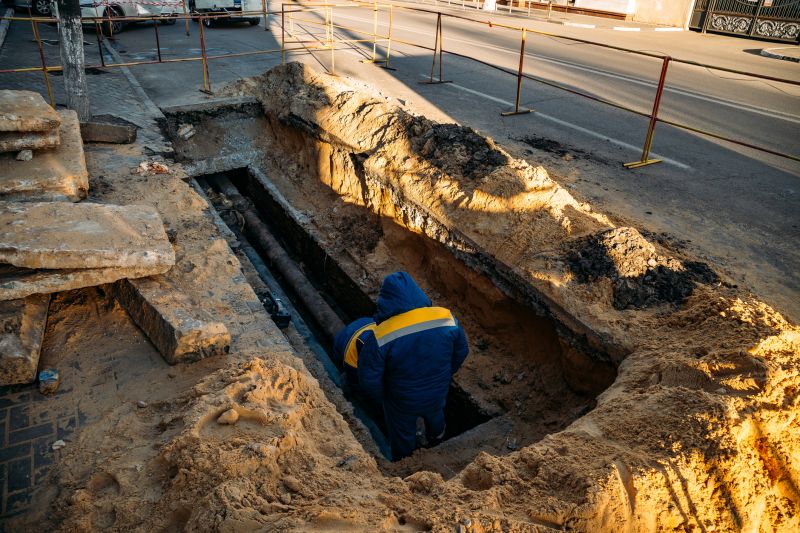
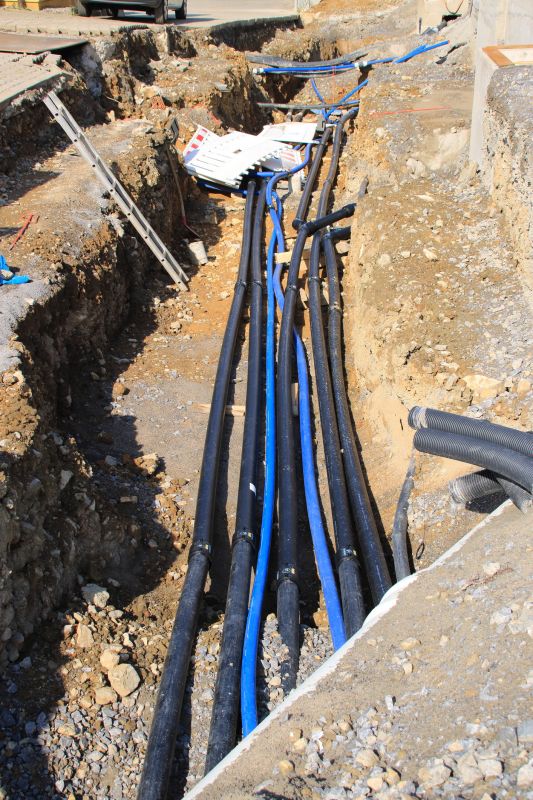
Utility trenching services are commonly needed for a variety of everyday projects around properties in Reno, NV. Property owners may require trenching to install or upgrade electrical lines, water pipes, or sewer systems, especially when making improvements or repairs to existing infrastructure. Whether connecting a new outdoor fixture, setting up irrigation systems, or preparing for home renovations, local contractors can handle the digging and installation work efficiently to meet these common needs.
In addition, property owners often seek trenching services when planning for future upgrades or addressing utility access issues. This can include running cables for solar panels, installing underground wiring for security systems, or addressing drainage concerns. Local service providers are equipped to manage these tasks, ensuring that underground utilities are properly installed or maintained to support everyday property functions in the Reno area.
What is utility trenching used for? Utility trenching is used to install or repair underground utilities such as water lines, electrical cables, gas pipes, and communication cables in residential or commercial properties.
What types of trenches are typically needed for utility work? The most common types include shallow trenches for irrigation or electrical wiring and deeper trenches for main utility lines, depending on the project requirements.
What factors influence the depth of utility trenches? Factors include local building codes, the type of utility being installed, soil conditions, and safety considerations to prevent damage and ensure proper function.
Are there specific permits required for utility trenching? Yes, local regulations often require permits for trenching projects to ensure safety and compliance with city or regional standards.
How do local contractors ensure proper utility trenching? Experienced service providers assess the site, plan the trench layout, and follow safety protocols to ensure the trenching is done correctly and efficiently.
Underground Utility Installation - Property owners can have local contractors install underground electrical, water, or communication lines to improve infrastructure.
Drainage and Sewer Trenching - Trenching services help set up new drainage systems or repair existing sewer lines around residential or commercial properties.
Landscape and Irrigation Wiring - Local service providers can trench for irrigation system wiring to ensure proper watering coverage and functionality.
Renewal of Old Utility Lines - Property owners can upgrade or replace outdated utility lines to ensure reliable service and compliance with local codes.
If you are thinking about Utility Trenching for a property in Reno, NV, this guide is meant to help you understand the work, the typical project types, and how different options might fit your plans.
When you are ready, you can use the quote form on this page to share a few details about your project. From there, local pros can review the basics and respond with options that match what you have in mind.